The Role of Luck in Gambling
Luck is often the first thing that comes to mind when people think about gambling. It represents the unpredictable nature of games of chance where outcomes can change in an instant. Whether it’s tossing dice, spinning a roulette wheel, or drawing cards, players frequently attribute their wins and losses to the whims of fate. This perception, while prevalent, oversimplifies the complex mechanics at play in the gambling world, especially in a fast withdrawal casino uk that leverages technology to enhance the player experience. While luck can indeed play a significant role, it is far from being the only factor that determines success.
For instance, in many card games, a player’s ability to read opponents and make strategic decisions can often lead to better outcomes than sheer luck. Professional poker players rely heavily on mathematical probabilities and psychological tactics rather than mere chance. The interplay of skill and strategy underscores that while winning may sometimes feel fortuitous, it can also stem from informed choices and learned techniques that enhance a player’s chances over time. This understanding empowers players to take control of their gambling experience.
Additionally, the concept of luck varies significantly across different games. In games like slots, luck is indeed a predominant factor due to their reliance on random number generators. However, in classic card games or sports betting, player knowledge, experience, and market understanding can dramatically influence results. Recognizing this distinction enables players to approach gambling with a more nuanced perspective, incorporating both luck and skill into their strategy for improved outcomes and greater enjoyment.
The Importance of Skill and Strategy
Apart from luck, skill and strategy play crucial roles in gambling success. Many games require a deep understanding of rules and effective strategies to maximize potential winnings. For example, in blackjack, players who master basic strategy charts can significantly improve their odds against the house. This blend of knowledge and application illustrates how preparation can be just as important as chance when it comes to winning. Developing these skills can elevate a casual player into a more serious contender in the gambling world.
Moreover, in sports betting, analyzing statistics, team performance, player injuries, and other variables can lead to informed betting decisions. Those who take the time to study these factors can identify value in betting lines, making them more like investors than mere gamblers. This strategic approach leverages available information, turning the luck aspect into a more calculated risk, enhancing the likelihood of success over time. For instance, knowing when to place a bet based on current form can lead to significantly better results.

Furthermore, advanced players often employ methods such as bankroll management and risk assessment. By setting limits and understanding when to walk away, players can protect their investments and sustain their gambling endeavors in the long run. This strategic planning elevates their game beyond luck, introducing a level of discipline that is essential for navigating the unpredictable nature of gambling. Players who learn to manage their resources effectively are more likely to enjoy their experience and minimize losses.
The Psychological Aspect of Gambling
The psychological component of gambling cannot be overlooked. Players often face emotional highs and lows that can impact decision-making. Winning streaks can lead to overconfidence and reckless betting, while losing streaks can result in desperation and chasing losses. These psychological responses highlight that it is not only about luck or skill; the mental state of a player can heavily influence their gambling outcomes. Understanding one’s emotions and reactions is critical for maintaining a balanced approach.
Understanding the psychology behind gambling behavior is fundamental for players looking to improve their approach. Cognitive biases, such as the gambler’s fallacy—believing that past outcomes affect future results in independent events—can lead to misguided strategies and poor betting choices. By recognizing these cognitive traps, gamblers can foster a more rational mindset, focusing on logical decision-making rather than emotional impulses. This awareness can significantly improve a player’s performance over time.
Moreover, the social aspects of gambling can affect players’ strategies and outcomes. Whether playing in a casino or online, the social environment can introduce a range of influences, from peer pressure to the thrill of competition. Players who can navigate these social dynamics can bolster their strategies, blending luck with informed decisions and psychological resilience for a more comprehensive gambling experience. Engaging with others can also provide insights and alternative perspectives that enhance one’s overall strategy.
The Impact of House Edge and Odds
Every gambling activity is designed with a built-in house edge, ensuring that, over time, the casino will always profit. Understanding this concept is vital for any gambler. The house edge varies across different games and influences the odds that players face. For instance, games like roulette and slots typically have higher house edges compared to blackjack or poker, where skilled players can lower the edge through strategy. Knowing these differences can help players choose where to place their bets wisely.
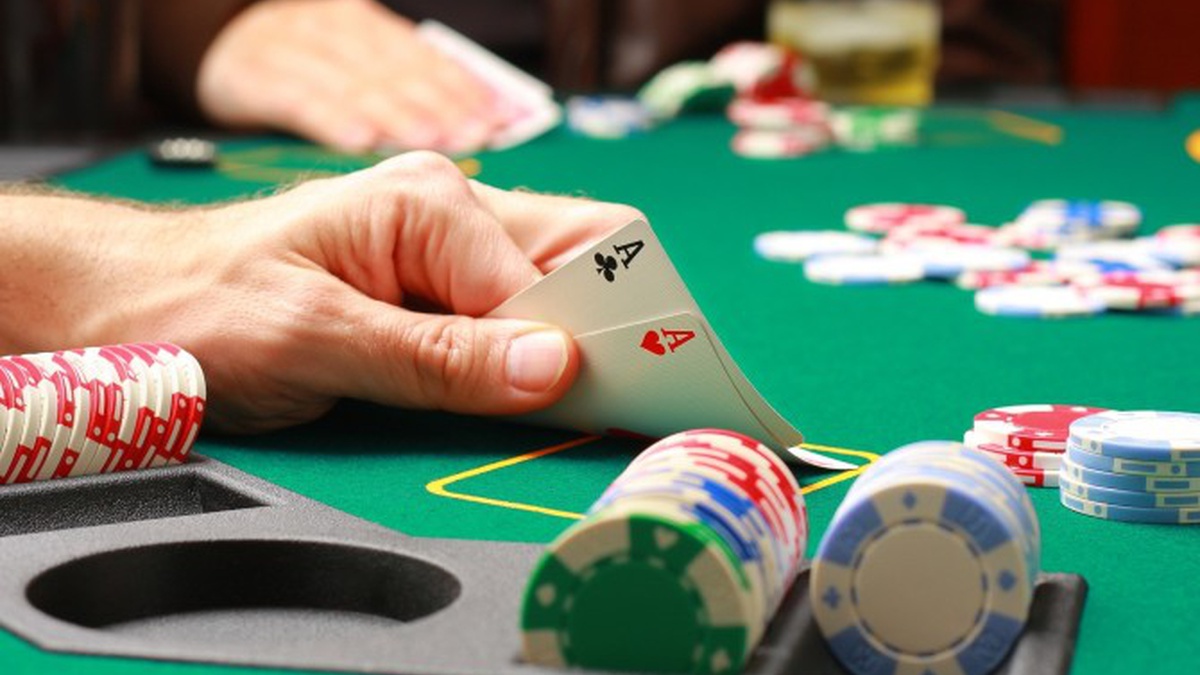
Being aware of the odds of each game can significantly impact a player’s approach to gambling. Knowledge of the different probabilities allows players to make informed choices about which games to engage in. For example, a player inclined towards strategic play may choose a game like poker where skill can sway the odds in their favor, rather than a game of pure chance where they have limited control over the outcome. This strategic selection fosters a more rewarding gambling experience.
Additionally, understanding payout structures and betting limits enables players to strategize effectively. Savvy gamblers know when to place smaller bets versus larger wagers, maximizing their chances to capitalize on favorable odds while minimizing exposure to loss. These strategies highlight that luck is just one element within a broader framework of informed decision-making, underscoring the multifaceted nature of gambling. By combining knowledge of odds with strategic play, players can navigate the gambling landscape more successfully.
Exploring Resources and Strategies Online
For those looking to improve their gambling skills and strategies, numerous online resources are available. Educational websites and forums offer insights into different games, strategies, and psychological approaches to gambling. Engaging with a community of players can provide valuable advice, sharing personal experiences and strategies that can enhance one’s understanding and skill set. This collaborative environment can significantly enrich a player’s journey through the gambling world.
Additionally, many online platforms provide simulations and practice opportunities that allow players to refine their skills without the financial risk. These resources enable individuals to familiarize themselves with games, examine strategies, and develop a more sophisticated understanding of odds and house edges. This kind of preparation can lead to more informed and strategic decision-making when playing for real money, ultimately increasing the enjoyment and potential for success.
Ultimately, while luck may contribute to the gambling experience, it is essential to recognize the importance of skill, strategy, and psychological understanding. By leveraging these elements, players can create a balanced approach to gambling that transcends mere chance, leading to more enjoyable and potentially profitable gaming experiences. Each of these aspects plays a vital role, making the gambling world rich with opportunities for those willing to learn and adapt. Engaging with reputable resources can significantly enhance one’s overall effectiveness in gambling.