Layering With HMDD: Putting Together Looks Based On Sweatpants and Shorts
Building up an outfit in layers is often treated like a seasonal obligation, a task reserved for surviving the coldest months rather than something you use to build a genuine outfit. This way of thinking misses the point entirely, especially when the foundation pieces are HMDD sweatpants and HMDD shorts. Happy Memories Don’t Die has built a wardrobe philosophy around ease-driven shapes that maintain structure in a fit, and that duality is precisely what makes building layers off these pieces so manageable. You’re not fighting heavy material or fighting a branding element that overwhelms the look. You’re starting from clean lines that let a hoodie, a jacket, or a simple tee carry the visual weight up top while the bottoms hold the shape below.
This piece walks through how to really construct stacked looks around HMDD sweatpants and HMDD shorts throughout different seasons, occasions, and proportions. We’ll dig into fabric weight, color stacking, and the small styling decisions that distinguish a hastily assembled outfit from one that looks intentional. For anyone who’s gone through an hmdd review or two but still isn’t sure how these pieces fit into everyday wear, consider this the hands-on continuation.
The Reason HMDD Bottoms Work So Well as a Layering Foundation
Most layering conversations zero in on the top half — jackets, flannels, vests — and treat the bottom half as an overlooked detail. That’s a miscalculation with HMDD clothing in particular, because the brand’s sweatpants and shorts are constructed thoughtfully enough that they function as a structural centerpiece, not just a throwaway item. A tapered sweatpant leg or a shorts silhouette that holds a steady hemline gives you a predictable base to build from, which is more boxy shorts important than most assume when you’re combining three or four garments in one outfit.
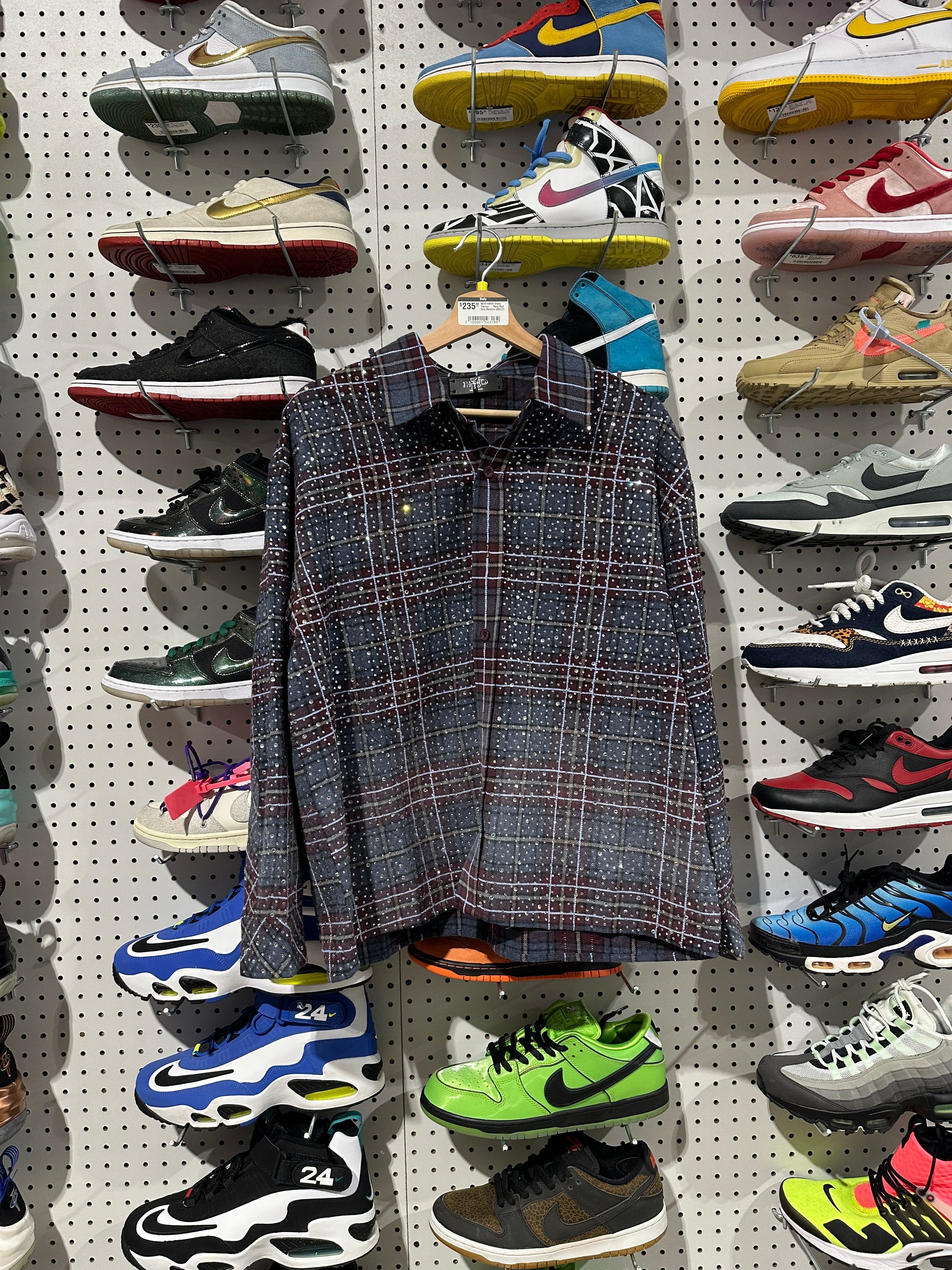
Think of it in terms of proportion math. When the bottoms lack structure and sit loose, whatever you layer above has to counterbalance — either tighter or shorter — otherwise the entire look ends up shapeless. HMDD sweatpants typically narrow toward the ankle, which means you can layer a lengthier overshirt or an roomy hoodie on top without the shape falling apart into shapeless fabric. The same logic applies to HMDD shorts in the summer season — a tidy hemline and consistent rise mean you can layer a lightweight jacket or a button-up over a tee without the bottom half fighting the top half for attention.
There’s also a substance-based argument here. More substantial fleece-weight sweatpants retain a structured line better than flimsier cotton-poly fabrics, which means the pieces shoot better and perform better throughout the day. That’s part of why hmddla has emerged as a go-to term in threads and comment sections for people specifically hunting the label’s LA-tinged, streetwear-leaning items — a flat product photo just doesn’t convey how the fabric’s weight and drape feel in real life, and once you’ve handled it, the reasoning behind the layering clicks.
How to Layer for Cold Weather Around HMDD Sweatpants
Use the sweatpant as your base reference point and layer upward across three levels: a foundational tee, a mid-layer hoodie or crewneck, and a top jacket. Most cold-weather streetwear outfits rely on this three-layer framework, which succeeds because each piece has a clear role. The inner tee handles temperature regulation nearest the body. The hoodie adds bulk and a graphic or logo moment. The outer layer, be it a shell, denim trucker, or coach jacket, is what defines the silhouette at a distance.
With HMDD sweatpants specifically, the slim-tapered shape means you can layer more heavily up top without looking top-heavy. Pairing a drop-shoulder hoodie with a mid-length puffer over HMDD sweatpants builds an intentionally oversized-top, fitted-bottom silhouette that’s remained a leading look in streetwear styling for years and looks set to persist well into 2026. The key measurement to watch is hoodie length relative to jacket length — if your hoodie hem falls more than two or three inches below your jacket hem, the layering reads as sloppy rather than intentional. Minimize that distance and the whole look comes together.
Sequencing your colors is just as important as the fit itself. Generally, a three-layer cold-weather look centered on HMDD sweatpants ought to progress from dark to light, or light to dark, bottom to top, instead of bouncing between unrelated tones layer to layer. Pairing charcoal sweatpants with a heather grey hoodie and a black shell comes across as thoughtful. That same charcoal sweatpant paired with a bright graphic hoodie and olive jacket comes off as haphazard, unless you’re specifically going for a clash aesthetic, which is a different styling exercise altogether.
Layering for Warm Weather With HMDD Shorts
The idea of layering shorts seems contradictory until you distinguish “layering” from “piling on bulk.” In hot weather, the goal of layering around HMDD shorts is more visual dimension without trapping heat — a breathable overshirt, a loose short-sleeve button-up over a tank top, or an open mesh jersey layered over a basic tee. Every one of these options introduces an extra textural layer to the look while keeping heat from building against the skin.
The key to shorts-based fits is directing the eye flowing along a vertical line instead of letting it stop at the knee. An open outer piece with extra length — a layer that lands to mid-thigh or just above where the shorts end — creates continuity between the top and bottom halves instead of a visual break at the waist. This is one of the most common mistakes in hot-weather streetwear dressing: a boxy, cropped tee paired with shorts and nothing else can look unfinished, while that identical pair of shorts paired with a somewhat lengthier open shirt worn on top of the tee comes together right away.
Footwear does a lot of work in shorts-based outfits too, more than most people realize. Since more of the leg is on show, the combination of sock length and shoe shape factor into the styling equation whether you mean to or not. A low-cut sock with a chunky sneaker elongates the leg line; the same shoe worn with a crew sock cuts the leg line shorter. When putting together a look with HMDD shorts for a warmer month in 2026, the sock choice deserves treatment as a fourth layer, not something tacked on at the end.
Folding Sweatpants and Shorts Into One Wardrobe System
Hardly anyone commit to just sweatpants or just shorts — the majority own both and need a simple method for deciding between them each morning without overthinking it. The most straightforward method is temperature banding: below a certain degree threshold, sweatpants; above it, shorts, with a middle range where both options are viable depending on the top-half layering plan.
A workable range for most climates looks like this: under 55°F, sweatpants are the go-to. In the 55°F-to-68°F range, it’s a coin flip based on activity level and how many layers you’re wearing up top. Once you’re above 68°F, shorts win out unless you’re specifically dressing for air conditioning or evening temperature drops. This isn’t a rigid rule, but it eliminates morning indecision and frees you up to focus styling energy on the upper-body layering instead of rehashing the bottom half every time you get dressed.
The other piece of mixing sweatpants and shorts into one wardrobe is color consistency. When your HMDD sweatpants and HMDD shorts sit in a similar color range — greys, blacks, muted earth tones — the layers you wear on top become interchangeable across both, which effectively doubles your possible fit combinations without requiring twice the wardrobe. This is the same principle capsule wardrobes are built on, and it applies just as well to a streetwear-oriented rotation as it does to a minimalist one.
How Layering Strategies Shift by Season
| Time of Year | Base Layer | Insulating Piece | Outermost Piece | Bottom Piece |
|---|---|---|---|---|
| Winter | Long-sleeve top | Heavyweight hoodie | Down puffer or shell piece | HMDD sweatpants |
| Spring | Short-sleeved tee | Light crewneck | Denim or coach jacket | Sweatpants from HMDD |
| Summer | Sleeveless top or tee | Open short-sleeve shirt | Skip it or wear a mesh jersey | Shorts by HMDD |
| Fall | Tee | Button flannel or overshirt piece | Lightweight jacket | HMDD shorts or sweatpants |
Closing Thoughts on Creating a Unified Rotation
Shoppers who look up hmdd review threads before making a purchase are usually trying to resolve one question: will it serve as a wardrobe staple, or is it a one-look piece that gets buried in a drawer? Given the cut of the sweatpants and shorts, honestly, they work best as a quiet foundation that supports many different top-half pairings instead of a bold piece meant to grab attention. Consider that high praise, not a dig — great base-layer garments are the ones you eventually forget about, precisely because they function so seamlessly.
For first-time HMDD shoppers in 2026, avoid the temptation to purchase just one pair of sweatpants or shorts and stop there. Effective layering calls for a minimum of two bottom-weight options and two to three top layers that can be mixed and rotated, and the best choices from HMDD are typically the ones that integrate smoothly with your current wardrobe rather than the most eye-catching piece available. Begin with a neutral pair of sweatpants and a neutral pair of shorts, create two or three top-layer pairings for each, and allow the rotation to expand naturally from that point — cherished memories last, and so does a wardrobe rotation that’s actually put to use instead of merely hung up and admired.